
A lot of people feel stuck at the same body weight, no matter how much they think they eat or what they try. Understanding how to gain weight & put on muscle mass starts with a structured plan, not random meals, guesswork, or expensive supplements.
If you struggle with weight gain or regard yourself as a hard gainer, the goal is not simply to eat more junk and hope for the best.
You need a slight calorie surplus, smart resistance training, and enough recovery to turn extra energy into lean tissue and muscle growth.

Start by setting a goal
Before changing your diet, define what success means for you. The majority of people don't want general weight gain, they want lean muscle gain. You don't want to put on fat, you want lean mass & size.
The majority of my clients want a body recomposition.
That distinction matters because your nutrition goals, training style, and rate of progress will differ. A person who is underweight may first aim for a healthy weight, while someone focused on body composition may care more about muscle mass and strength gains than scale weight.
A hard gainer usually needs more planning than motivation. Low appetite, busy workdays, missed meals, and high daily movement can make energy intake too low even when it feels like you "eat a lot".
Realistic progress is usually modest. A gain of around 0.25kg per week is enough, and monthly muscle gain is slower than most people expect.
What healthy weight gain actually looks like
Healthy ways to gain weight focus on gradual progress. That helps limit excess fat while supporting muscle gain and better training performance.
Daily + weekly weigh-ins are essential.
That's all you need to do. You don't need to obsess and measure waist, arms and chest.
Consistency is the aim of the game.
Why do some people struggle with weight gain?
Everyone is different..
Common reasons for lack of weight gain include:
- Low appetite
- High activity levels
- Inconsistent eating
- Underestimating maintenance calories (This is a big one)
Some people also rely on foods that are healthy but not very calorie-dense, which makes eating enough harder.
Low body weight, poor appetite, fatigue, or digestive issues are common in today's day and age.
Note
Knowing your non exercise activity thermogenesis (NEAT) is non-negotiable if You want to gain weight & put on muscle sustainably
NEAT is all your other activity besides exercise. Walking, fidgeting, thinking etc. Believe it or not, this type of activity expends a lot more energy than the gym.

How to create a calorie surplus that supports muscle growth
Weight gain happens when energy intake stays above energy balance needs over time.
In simple terms, you need to eat more than your body burns.
The biggest mistake that people make is that they think they can eat junk food to put on weight. This is a common fallacy, you want to be as strict with your weight gain as you are with your weight loss.
A moderate calorie surplus is better for muscle growth, digestion, and body composition than force-feeding thousands of extra calories.
Start with a conservative approach and adjust based on the scale. If body weight tracking shows no change after two to three weeks, increase calories slightly.
How much more should you eat? It's a lot less than you think
A practical starting point is about 150 - 250 extra calories per day above maintenance calories.
Review weekly trends, not day-to-day fluctuations. If your average body weight is flat after a 2 weeks, add another 150 to 250 calories daily.
Use energy-dense foods strategically
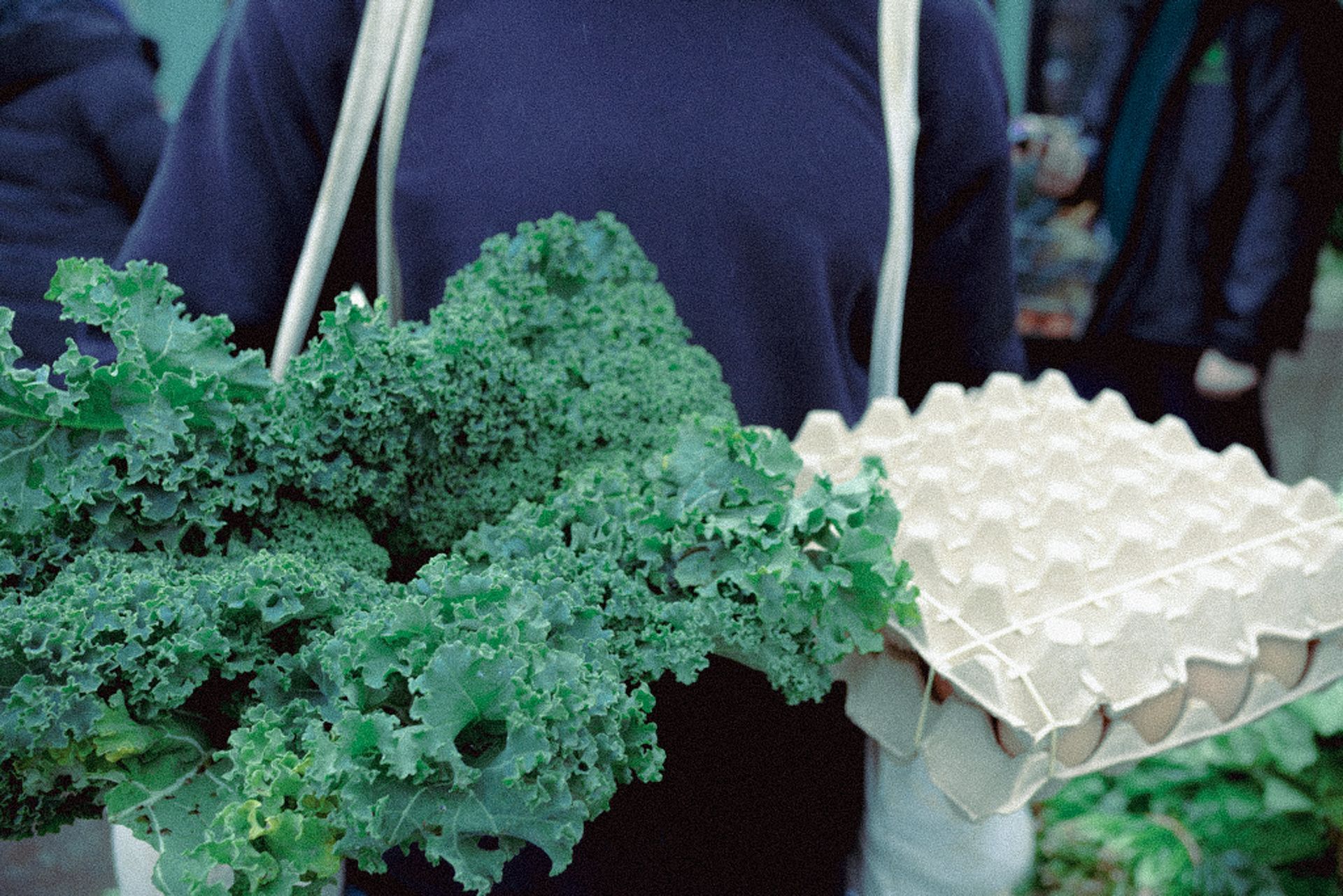
Choose calorie-dense foods that still offer nutrition. Good options for balanced meals include rice, oats, potatoes, dairy, eggs, olive oil, nuts, fatty cuts of meat, and full-fat yogurt.
Prioritise whole foods
Muscle gain depends on total calories and good food quality, but macronutrients still matter. Protein intake supports repair, carbohydrate fuels training, and dietary fat helps support hormones.
This is where many hard gainers go wrong. They focus only on protein "mass gainer" shakes and ignore total food intake. Another common mistake is that they eat low-carb and then wonder why their weight training goes nowhere for years.
Avoid these 3 common pitfalls if you want to successfully gain weight and put on muscle:
- Protein powders & mass gainers
- High-calorie takeaway food
- Pouring olive oil onto your meals
Remember, food is medicine. You want to aim to get 90% of your nutrition from whole foods. This means you will get a good amount of micronutrients. We want to look and feel good inside and out.
Set a protein target & stick to it
Aim for roughly 1.6 to 2.2 grams of protein per kilogram of body weight per day. If you are newer to strength training, staying within that range is usually enough.
Spread protein across three to five meals. Lean protein sources like chicken, beef, fish, eggs, Greek yogurt, whole milk make it easy. If you struggle with your protein target add whey in.
The biggest mistake keeping you "skinny"
99.9% of my clients who struggle with muscle & weight gain are completely under-eating carbohydrates.
Carbohydrate intake matters for training volume, recovery, and strength gains. If you train hard and eat too few carbs, muscle growth is impossible.
Use easy staples such as rice, pasta, fruit, sourdough bread and potatoes.
If you struggle with carb intake, you can add things like raw cold-pressed honey and organic maple syrup.
For a hard gainer, these calorie-dense foods allow you to hit a modest calorie surplus without your appetite feeling overwhelmed by high-volume meals.
Use fats to increase calories but don't overdo it
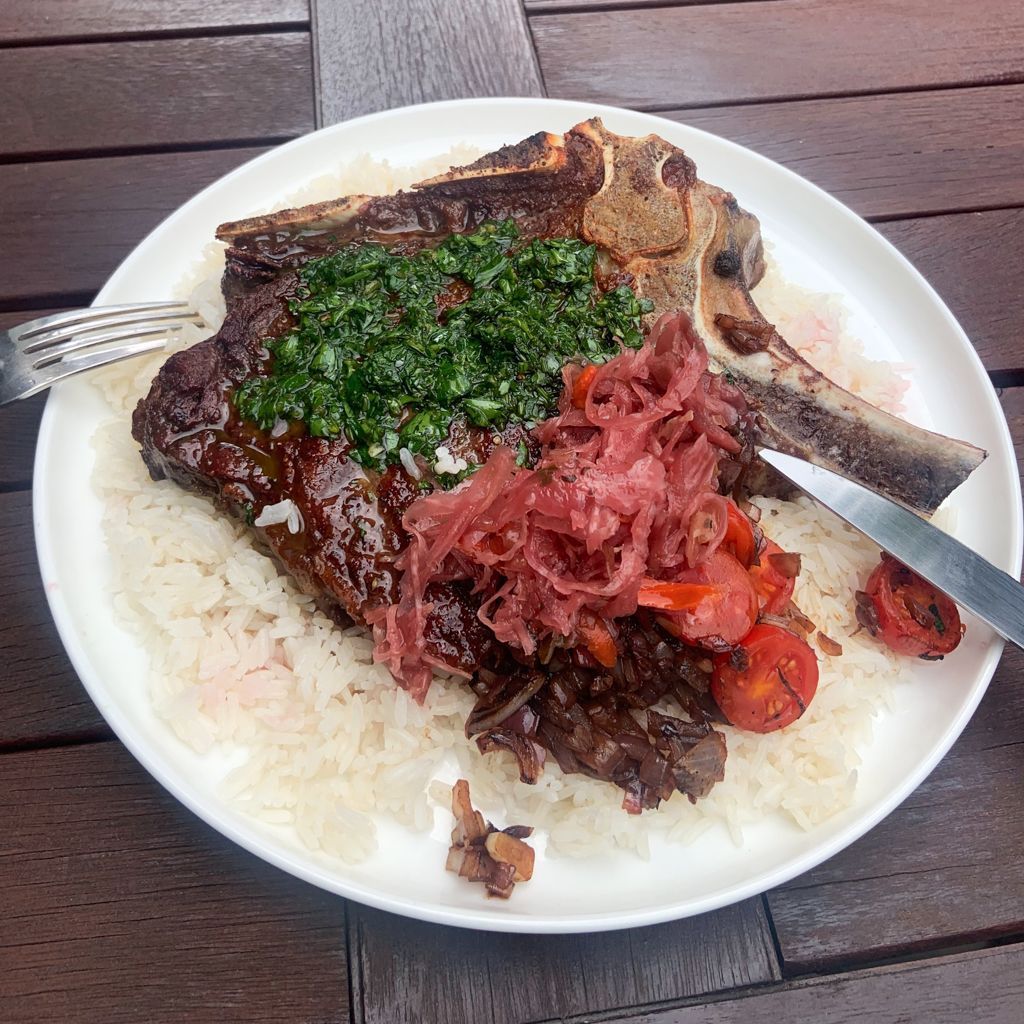
Dietary fat is useful when appetite is low because it adds calories without too much volume. Olive oil, avocados, whole milk yogurt, cheese, fatty fish like salmon are great and rib eye steaks are a good fatty cut of meat.
Keep the diet mostly built around nutrient-rich foods. That gives you calories without sacrificing digestion, performance, or recovery.
Note
Dietary fat is structurally very similar to the fat stored on your body, meaning it requires very little energy for your metabolism to move it into storage. Converting carbohydrates or protein into body fat is a much more complex and energy-expensive process for your system to navigate.
Eat smaller meals more often
Many people who struggle with weight gain simply do better with higher meal frequency. Eating more often can feel far easier than trying to cram everything into two huge meals.
Consistency beats occasional overeating. One massive weekend meal does not fix five low-calorie weekdays.
Simple meal timing framework
A solid baseline is three main meals plus two or three snacks. That structure works well for busy professionals who need routine more than complexity.
Anchor calories around breakfast, a post-workout meal, and dinner. Those windows often make it easier to hit your target without feeling stuffed all day.
Liquid calories can help if you struggle
Liquid calories are useful if your appetite is really poor.
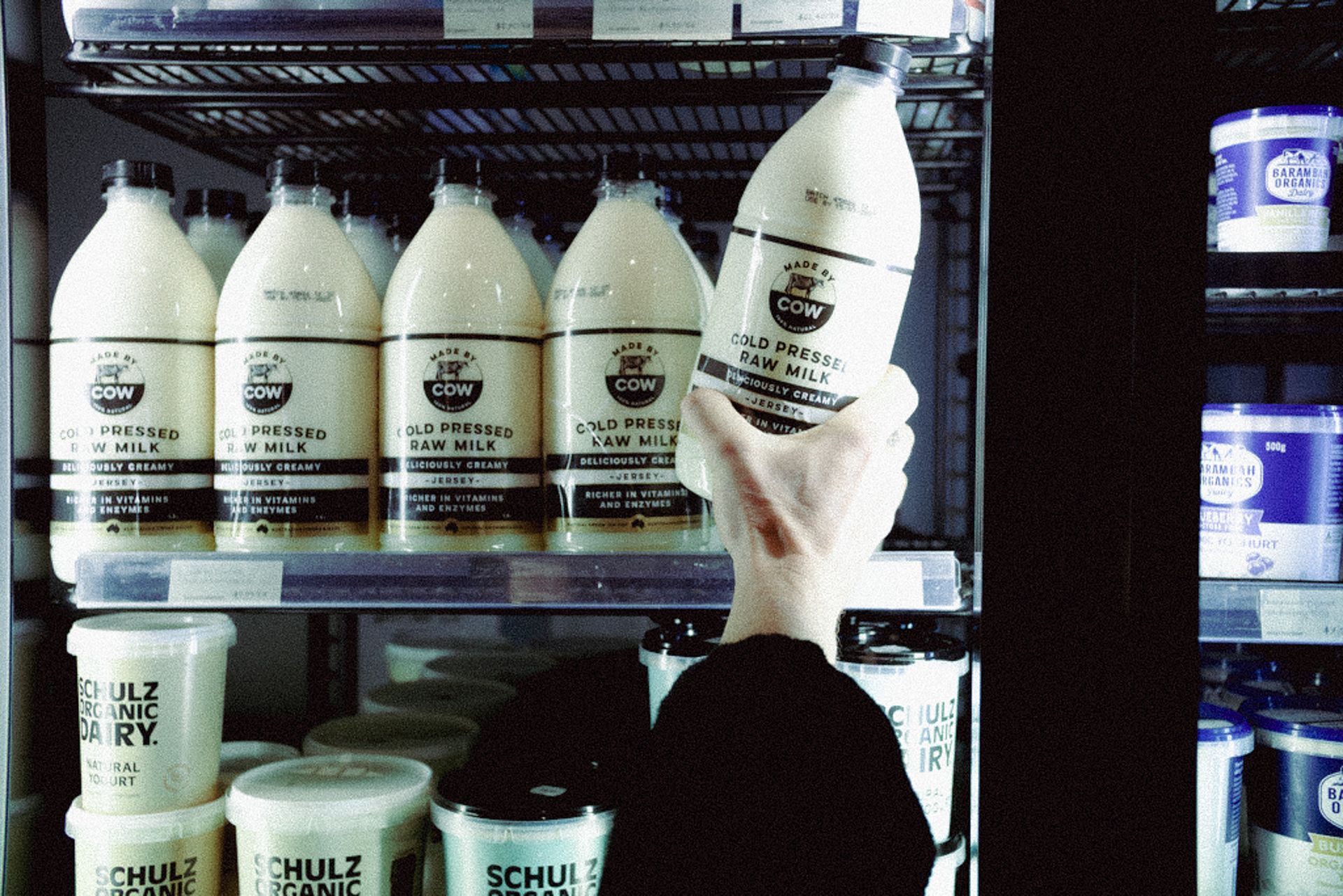
I've completely replaced my protein shake with raw milk & maple syrup - Highly anabolic
Smoothies, raw milk-based shakes with maple syrup & honey, and yogurt drinks can add energy without the fullness of another large plate of food.
Train for progressive overload
Eating more without resistance training mainly leads to body weight gain, not much new muscle mass. To build lean tissue, you need a periodised strength training plan that focuses on progressive overload.
That means asking your muscles to do a little more over time.
- More reps
- More load
- Better control
Progressive overload = hypertrophy (muscle gain)
Training priorities for hard gainers
Base your program around compound lifts that train a lot of muscle at once. Good staples include the squat, bench press, row, deadlift variations, pull-up variations, overhead press, and lunges.
Train each major muscle group at least twice per week. That usually gives better practice, better training volume, and more chances to stimulate muscle growth.
If you need coaching support, I offer strength & conditioning, nutrition coaching, and 24/7 support for clients who want a more structured system. I also work with you to improvefunctional movement when pain or poor form is limiting your progress
24/7 support
Easy tracking through Everfit
Custom-tailored blocks designed for you

Recovery is more important than your training
Training is only the stimulus. Recovery is where your body actually builds muscle mass, restores performance, and adapts to hard sessions.
Poor sleep, high stress, and not enough rest days can blunt appetite and training quality. Even in a calorie surplus, bad recovery can stall progress.
Sleep hygiene
Aim for 7 to 8.5 hours of sleep each night. This will help support hormones, muscle repair, and energy. Everyone could do better with a regular bedtime, no caffeine after 11 am, and a wind-down routine.
Here are my 4 top tips for better sleep and stress management:
- Avoid doom scrolling on social media as much as possible
- Dim lights at night, think rock salt lamps and red globes
- Read 30-60 minutes before bed
- My golden rule: Only use your bed for sleep, sex & reading
Hydration & performance
Hydration supports digestion, gym performance, and recovery. It also matters more when protein intake and fiber go up.
Drink fluids with meals and around training. Milk, water, and electrolyte-rich drinks can all help depending on sweat loss and session length.

Simple daily blueprint anyone can follow
I've found that most people do best with a repeatable system. A practical meal plan removes decision fatigue and makes consistency easy.
This is especially useful if you're busy and trying to balance work, family, and training.
Sample high-calorie muscle-gain day:
Breakfast:
Sourdough toast, 1/2 avocado, 2 - 4 eggs, sardines, mushrooms, spinach
Lunch:
Ground beef (250 grams), 1-2 cups of jasmine rice, grated carrot, sweet peppers, kale
Dinner:
Grilled Salmon, 250 grams roasted potatoes, asparagus, rocket salad with tomatoes & cucumber
+ Add two snacks such as Greek yogurt with blueberries or banana + a glass of raw milk
Healthy snack ideas to fuel weight gain & muscle growth
Useful snack ideas include honey, peanut butter toast, maple syrup, smoothies, yogurt, fruit, and milk.
If you struggle with carb intake, honey and maple syrup are your best friends.
Meal prep is key. Even simple batch cooking for your lunches, so you're not relying on takeaway.
Avoid these common mistakes & misconceptions
A lot of people say they eat all the time, but calorie tracking often shows they still fall short. Others eat enough but train poorly, skip protein, or lack consistency for long enough to see meaningful change.
Supplements can support a good plan, but they cannot replace food, training, and recovery. If your fundamentals are weak, no powder will fix that.
Common mistakes include skipping breakfast, doing too much cardio, changing plans too often, and failing to track your weight daily. Another big one is assuming hunger is a reliable guide when appetite is naturally low.
Relying only on junk food can also backfire. It may raise calories, but it can hurt digestion, recovery, and body composition.
For people also trying to improve body fat levels later, understanding the difference between a muscle-gain phase and weight loss is important.
The methods are not interchangeable.
Key takeaways
Building muscle mass & putting weight on is a slow process.
Focus on:
- 0.25kg - 0.5kg added weight a week is a good sweet spot
- A modest calorie surplus of 150 to 200 calories
- Hitting your protein intake of 2g/kg
- Daily body weight tracking
- Single ingredient wholefoods, organic when possible
- Periodized weight training program that focuses on compound lifts
- For "hardgainers", honey, maple syrup & milk are your secret weapons

Final thoughts
Your body is a machine that simply adapts to the environment and the stimulus you provide it. If you want it to put muscle on, you have to give it a compelling reason through progressive resistance training while providing the raw materials through nutrient-dense whole foods.
Build a lifestyle that supports strength gains rather than chasing a quick, hectic 12 week result that won't last. Nothing of worth and merit was built overnight.
Focus on the big compound lifts, eat as many whole foods as possible, and let consistency do the heavy lifting.
If you focus on the fundamentals, the scale and your strength gains will follow.
FAQ
It helps but it’s not essential. It’s the most studied supplement & has a ton of data behind it. It’s not going to do anything magical if you don’t have the fundamentals in place
The toned look many women want is actually just muscle definition. You need to build muscle and be lean enough to see it; it doesn't happen overnight or by accident. I program volume to prioritise the areas you want to develop while using a minimum effective dose for other areas to ensure you stay healthy
Belly fat, specifically visceral fat, is often a result of high stress and elevated cortisol levels. The best approach is to reduce overall stress and focus on sustainable, slow progress rather than rushing the process.
Putting on lean mass is slow so if you need to be in a slow & maintained caloric surplus.
This is how you recomp.
Your goals and starting point will dictate your strategy. I'm often raising calories for my clients because their metabolism is stuck. Once their metabolism is humming than we can move forward and work towards their physique goals.
The biggest mistake I see "skinny" clients make is completely under-eating carbohydrates. If you train hard and eat too few carbs, muscle growth is almost impossible because you lack the fuel for training volume and recovery.
The secret weapons: For hardgainers with a low appetite, liquid calories like raw milk, organic maple syrup, and raw cold-pressed honey are game changers because they add energy without leaving you feeling stuffed.
- Nutrient dense whole foods: Prioritize single-ingredient foods like rib eye steaks, salmon, eggs, and Greek yogurt.
- Natural creatine: Instead of processed powders, I prefer you get your creatine from high-quality red meat, which your body knows how to use effectively.
- Easy carb staples: Build your meals around white rice, pasta, potatoes, and sourdough bread to fuel your weight training.
- Healthy fats: Use olive oil, avocados, and coconut oil to bump up your calories without adding massive volume to your plate.
A common fallacy is that you need to force-feed thousands of extra calories. A moderate calorie surplus is much better for your digestion and body composition.
A practical starting point is adding just 150 to 250 extra calories per day above your maintenance calories.
To put on muscle mass, you have to give your body a reason to adapt. This requires a periodized strength training plan focused on compound lifts & progressive overload.
- Lower body staples: Focus on squat and deadlift variations to stimulate the most overall growth.
- Upper body staples: Prioritize the bench press, overhead press, rows, and pull-up variations.
Recent Posts